
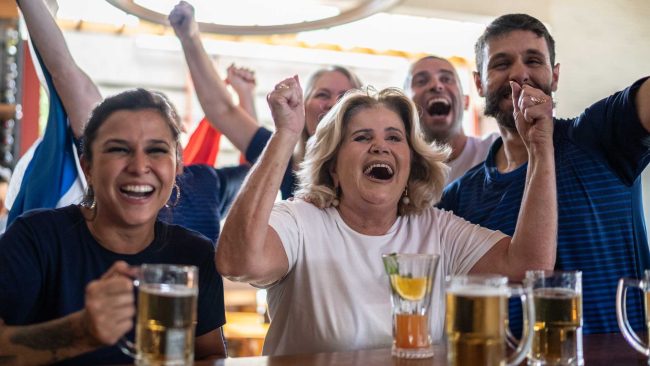
Language plays a profound role in shaping how team nicknames emerge and evolve and how fans connect, identify, and create meaning in sports culture. At first glance, a nickname might appear simple, but it’s laden with linguistic, cultural, and emotional weight that reflects where a team comes from, who supports them, and how those supporters see themselves.
The Power of Language in Shaping Team Identity

Naming and Identity
Team nicknames typically arise from a mix of history, regional identity, and linguistic play. Whether it’s references to local fauna (“Lions”, “Sharks”), industrial heritage (“Steelers”, “Miners”), or aspirational values (“Warriors”, “Titans”), the words chosen carry layers of symbolic meaning.
From a linguistic perspective, the phonology how the name sounds matters too. Short, punchy names with strong consonants tend to be more chantable and memorable, making them fan-friendly.
Fan Culture and Linguistic Bonding
Once a nickname is adopted, it feeds into fan culture: chants, banners, social media hashtags, inside jokes, and references that only true supporters ‘get’. The language of fandom becomes its own ecosystem. The deeper a fan understands sport-specific terminology, the stronger their identification with the team.
Consider how supporters refer to themselves as “the 12th man” in football, embedding the collective into the team’s language. Fans adopt the nickname, reinterpret it, and adapt it this linguistic belonging strengthens community bonds.
Evolution of Nicknames Over Time

Nicknames do not remain static. They evolve with changes in culture, media, and society. What started as a local metaphor might become a global brand. Fan culture online accelerates this: hashtags, memes, slogans language shifts fast.
This means language is a dynamic conveyor of meaning what felt fresh decades ago may feel outdated or even problematic today.
Symbolic Meaning and Rivalry
The choice of nickname also speaks to symbolism and rivalry. Names can invoke power, pride, local heritage or mock the opponent. Linguistic forms such as stereotyped descriptors show how nicknames or fan labels reinforce in-group and out-group identities.
For example, a team labelled “The Invincibles” invites aspirational pride; a nickname like “The Cast Aways” might carry self-deprecating humour. The language chosen communicates identity, aspiration, and attitude all at once.
Why It Matters
When fans hear a nickname, it triggers something: history, place, pride, belonging. It shapes behaviour chanting, wearing merchandise, feeling connected. Fans are more likely to engage, buy merchandise, and display colours when the team name resonates emotionally and linguistically.
Similarly, when teams rename themselves (for re-branding) or adopt alternative nicknames, the linguistic shift can disrupt or enhance fan culture.
Bringing It All Together
At its core, language is the glue between team and spectator. The nickname acts as a shorthand, loaded with story, identity, and emotion. Fans don’t just read it. they use it, chant it, live it. It becomes part of collective memory and culture.
If you’d like a deeper dive into the linguistic roots and cultural trajectories of these team nicknames, you can read more here.
In summary: the language of team nicknames isn’t accidental. it’s crafted and co-constructed by clubs and supporters. Through its evolution, we can trace changes in culture, fandom, and identity over time.
Conclusion
Language is more than a tool for communication. it’s the heartbeat of team identity and fan culture. Every nickname tells a story of heritage, pride, and unity, turning simple words into powerful symbols of belonging. Over time, as society and media evolve, so too do these nicknames, reflecting new values, humour, and cultural trends.
From the chants in stadiums to the hashtags online, language continuously shapes how fans connect with their teams and with each other. It preserves history while adapting to the present ensuring that team spirit remains alive, vibrant, and ever-evolving through the words fans proudly speak.